The Wyoming FFA Association is proud to announce the 2026 Regional Stars in the categories of Placement, Farmer, Agriscience, and Agribusiness. These finalists represent the top tier of the thousands of Supervised Agricultural Experience (SAE) projects conducted by FFA members across the state.
The Star Awards are the highest honors bestowed by the Wyoming FFA at the state level. The program recognizes students who have developed outstanding agricultural skills and competencies through their SAEs, demonstrated high-level management and financial decision-making, and shown exemplary leadership within their chapters and communities.
2026 Wyoming FFA Regional Stars
AGRICULTURAL BUSINESS
AGRICULTURAL PLACEMENT
Agriscience
Star Farmer
Region 2: Kruze Forshee
Ten Sleep FFA
Region 5: Kaleb Booth
Torrington-Lingle FFA
Stars in AGRIBUSINESS
Region 2: Molly Glanz, Chief Washakie FFA
Molly Glanz of the Chief Washakie FFA chapter has turned a summer chore into a sophisticated agribusiness through her entrepreneurship project, Molly’s LawnCare. What began in 2022 as simply pushing a mower has matured into a full-scale turf grass management operation. Today, Molly handles the entire business cycle, from conducting market analysis to set competitive pricing to performing preventative maintenance on her power equipment.
Her growth is evident in her shift from laborer to manager. She no longer just “cuts grass”; she applies technical knowledge of turf science to manage cutting heights and identify potential lawn issues. Beyond the technical, Molly credits the project with teaching her the patience required to work with seasonal cycles and the responsibility of maintaining a professional schedule. Interestingly, her favorite part of the workday isn’t the mowing itself, but the precision of weed-eating, which she finds satisfying for clearly defining the lawn’s edges. These real-world business skills are preparing Molly for a successful transition into the workforce after graduation.
Region 3: Brylee Styvar, Gillette FFA
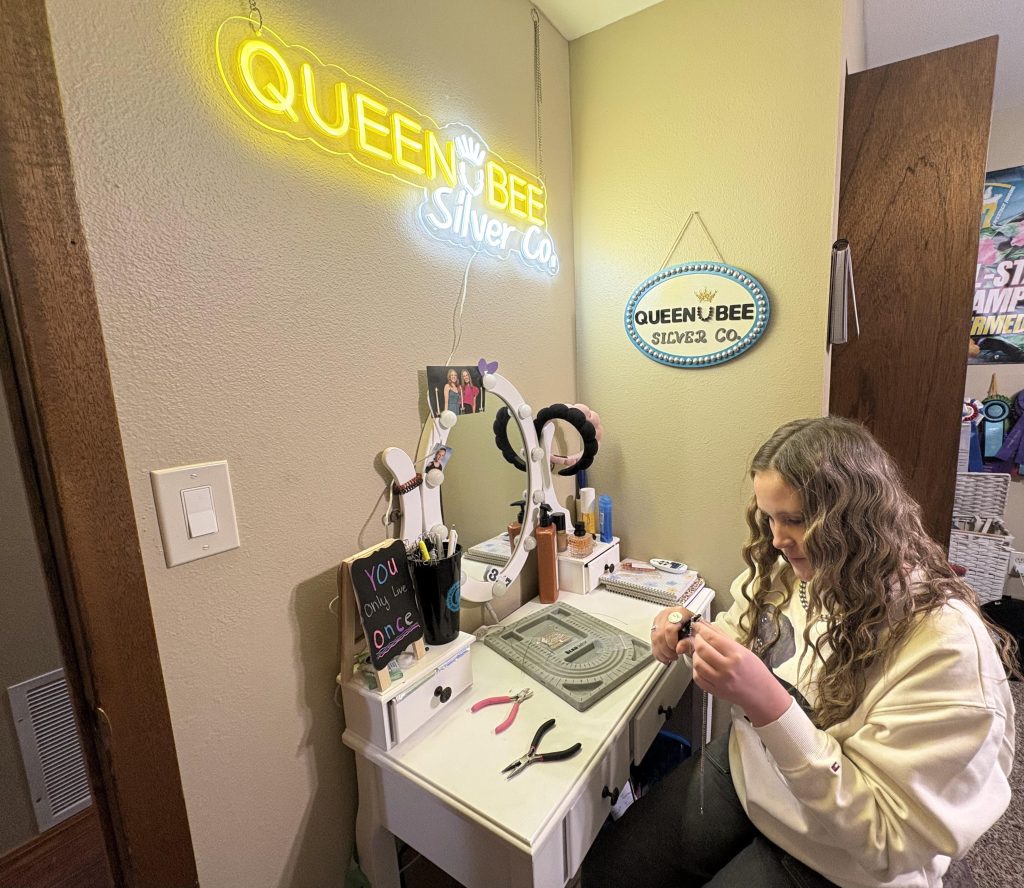
Brylee Styvar of the Gillette FFA chapter is a multifaceted entrepreneur who manages a custom jewelry business alongside sheep and cattle operations. Through her business, Queen Bee Silver Co., Brylee designs and strings authentic sterling silver Navajo pearls and genuine stone beads, reaching customers in across the U.S. through a website she built herself. Her agribusiness expertise extends into the barn, where she manages a flock of ewes and utilizes artificial insemination (AI) to produce high-quality show lambs for local 4-H and FFA members.
Over the course of her SAE, Brylee has transitioned from a student learner to a confident manager, overseeing complex financial records, legal filings, and marketing strategies. She is as comfortable filing quarterly tax reports as she is assisting a veterinarian with AI procedures. A telling detail of her dedication occurred when she calmed a frightened ewe by covering its eyes during a procedure, showing her growth in animal welfare and handling. Brylee’s commitment to quality led her to produce the highest-selling sheep at the Wyoming Elite Livestock Sale, a testament to her skills in both production and marketing.
Stars in Agricultural Placement
Region 1: Hannah Lupher, Jim Bridger FFA
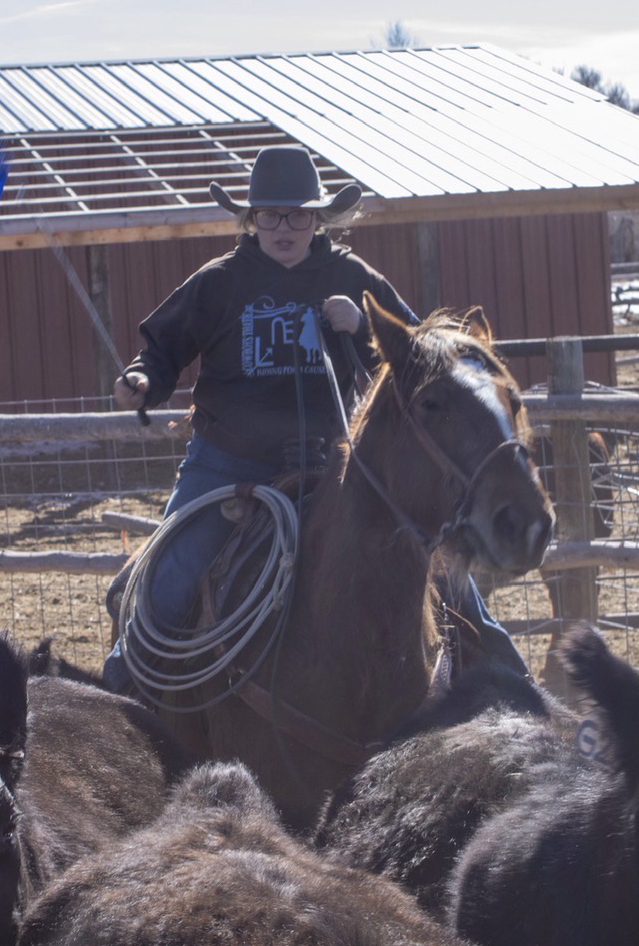
Hannah Lupher’s Supervised Agricultural Experience (SAE) at her family’s ranch in Mountain View is a masterclass in blending tradition with modern management. While she is heavily involved in the ranch’s primary income source—a commercial and registered cattle operation featuring advanced artificial insemination (AI) and heat detection programs—Hannah’s project is perhaps most distinguished by her expertise in horsepower. She relies on working draft and saddle horses daily for essential tasks like feeding cattle in deep snow, moving livestock, and harvesting over 1,400 acres of hay.
Throughout her FFA career, Hannah has transitioned from a helper to a decision-maker. She now independently manages irrigation ditches, monitors soil fertility, and trains young colts through a disciplined driving regimen. A highlight of her experience was hosting an Amish group from Pennsylvania, where she demonstrated her team-driving skills, gaining a new appreciation for how her local family traditions connect to the wider agricultural world. After graduation, Hannah plans to pursue a career as both a rancher and an Agricultural Education teacher. When she isn’t in the saddle, she might be found operating a John Deere manure spreader from the late 1930s—a piece of vintage equipment she still uses to keep the ranch sustainable.
Region 2: Zane Lentsch, Chief Washakie FFA
Zane Lentsch’s days often begin before the sun, pulling calves from feedlot pens for medical treatment at Flying V Cattle Co.. Since 2022, Zane has grown his responsibilities from doctoring just 10 calves a year to over 400, a testament to his sharpening eye for animal health and his increased role within the operation. His Supervised Agricultural Experience (SAE) is a diverse study in modern ranching, encompassing everything from roping and branding to managing the complex nutritional rations required for feedlot cattle to reach peak quality.
Beyond the pens, Zane has stepped into the driver’s seat—literally. He hauls silage and high-moisture corn, gaining technical experience behind the wheel of a semi-truck. He even took on the mechanical challenge of fixing an overheating issue on his rig, working independently to clean the radiator and replace the thermostat. Looking ahead, Zane plans to attend the University of Wyoming to pursue a master’s degree in range management. A dedicated horseman, he notes that his favorite way to train a young colt is by giving them a job to do in the branding pen, proving that on the ranch, everyone—and everything—works with purpose.
Region 3: Sam Bowen, Upton FFA
Sam Bowen of the Upton FFA Chapter has developed a placement SAE working as an intern guide with 7J Outfitters in Sundance, Wyoming. His project allows him to turn a lifelong passion for the outdoors into real-world experience in wildlife management and guiding.
As part of his internship, Sam assists experienced guides and supports hunters during elk, turkey, whitetail deer, mule deer, and antelope hunts. His responsibilities include preparing equipment, meeting clients early in the morning, navigating leases, and ensuring that hunts are conducted safely and ethically.
Sam also works with horses and mules used during hunts, helping care for the animals and learning how they support travel through rugged terrain. Throughout the experience, he has developed skills in wildlife identification, understanding animal behavior, navigation using tools such as OnX, and maintaining safe firearm practices in the field.
The placement has strengthened Sam’s communication, problem-solving, and customer service skills as he works with hunters of varying experience levels.
Region 4: Corbin Williams, Bow River FFA
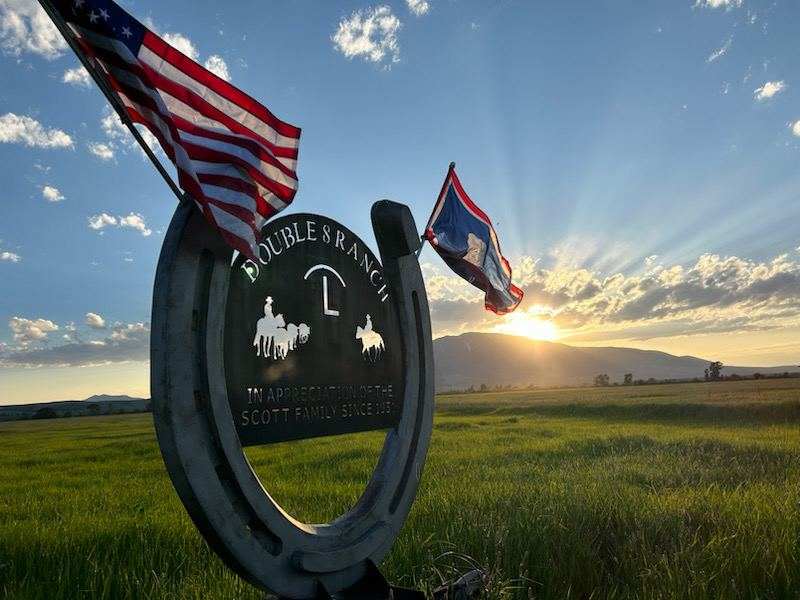
Corbin Williams is redefining what it means to be a “traditional” rancher. As a fourth-generation manager on the Double 8 Ranch, Corbin’s Supervised Agricultural Experience (SAE) spans 1,700 cows and 8,000 acres of cornstalk grazing. While he has spent his life haying and riding the high country, his recent work has taken a high-tech turn. This past summer, Corbin spearheaded a pilot program for virtual fence collars, using a satellite-linked app to manage grazing rotations with precision—a major leap forward for his family’s 75-year-old operation.
Corbin’s growth is measured by the weight of his responsibilities. He has moved from a helper to a leader, now managing a crew of six during the busy haying season and overseeing the irrigation of 400 acres of meadows. Balancing the demands of a working ranch with his role as Chapter President and his studies, Corbin has maintained an “advanced” proficiency in machinery operation and “intermediate” skill in business management. He plans to carry this expertise into a career as a ranch manager, continuing the legacy that began when his great-grandfather first took the reins in 1951.
Region 5: Garrett Plaggemeyer, Wright FFA
Garrett Plaggemeyer’s Supervised Agricultural Experience (SAE) demonstrates that the skills of a successful manager are built one shift at a time. Working at Big D Papa John’s in Wright, Garrett has transitioned from a new hire learning the basics of food prep to an assistant manager entrusted with the store’s logistical operations. His role is comprehensive: he manages twice-weekly truck orders, performs rigorous expiration checks, and utilizes specialized software to ensure every ingredient meets strict quality standards.
Managing 34 hours of work a week is a challenge on its own, but Garrett does so while maintaining a 4.0 GPA in both high school and college-level classes. This dedication to excellence extends to his leadership style, where he focuses on clearly and effectively correcting mistakes to build better relationships with his team. A “Pizza Master” who knows every recipe by heart, Garrett plans to use the work ethic and leadership skills he’s gained to eventually serve as a Wyoming game warden. His journey proves that whether managing a kitchen or a natural resource, success starts with showing up and taking responsibility.
Stars in AGRISCIENCE
Region 2: Kaycee Stothart, Thermopolis FFA
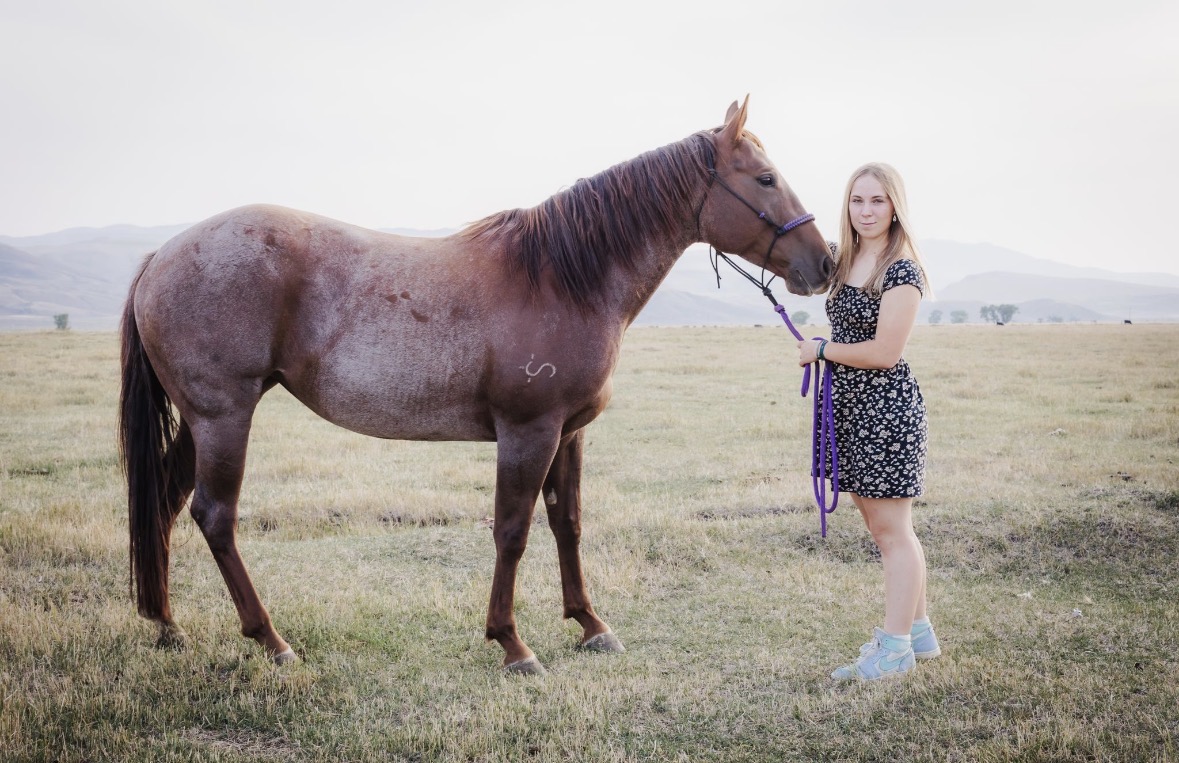
Stothart of the Thermopolis FFA Chapter has developed a multi-year agriscience research project focused on equine genetics and inherited diseases in horses. Her work began with a study exploring whether it is possible to accurately predict a mare’s genotype using pedigree knowledge and coat color genetics without performing a genetic test. Through extensive background research on equine color genetics, she evaluated several mares and compared predicted results with known genetic outcomes.
Building on that project, Kaycee expanded her research to examine the prevalence of genetic diseases in Quarter Horses and how inheritance patterns influence breeding decisions. Her work required researching conditions such as GBED, HERDA, and HYPP and understanding how those diseases affect horses and breeding programs.
Throughout the process, Kaycee strengthened skills in scientific research, data analysis, and presenting technical information to judges and audiences. She created project displays and presentations for the Agriscience Fair, where her research placed first locally and earned recognition at the state level.
Kaycee hopes to work in the horse industry in the future, possibly as a farrier, breeder, or trainer.
Region 4: Brody Medina, Cheyenne Frontier FFA
Brody Medina of the Cheyenne Frontier FFA Chapter conducted an agriscience research project exploring the relationship between agricultural youth and depression related to financial dependence on agricultural industries. His project examined whether economic pressures tied to agriculture may contribute to mental health challenges among young people involved in the industry.
The research required extensive literature review, data collection, and survey development. Medina and his research partner distributed surveys within agricultural communities and classrooms, gathering responses from hundreds of participants to analyze trends and test their hypothesis.
During the process, Medina also faced challenges common in long-term research projects, including changes in team membership and the need to reorganize responsibilities to keep the project on track. Despite those obstacles, he continued expanding the study and refining the research methods.
Through this project, Medina gained experience in scientific research, data collection, academic writing, and collaboration. The project also strengthened his understanding of how financial stress and agricultural life may intersect with mental health among young people involved in agriculture.
Star Farmers
Region 1: Dani Santee, Riverton FFA
Dani Santee of the Riverton FFA chapter is a young producer who understands that agriculture is as much about data and strategy as it is about hard work. Through her Bar D7-linked enterprises, Dani manages a diversified operation that includes market beef, market hogs, and a four-acre forage production project. Her journey has been marked by a transition from supervised assistance to independent management, where she now oversees everything from technical irrigation schedules to genetic selection and financial record-keeping.
Dani’s expertise is particularly evident in her focus on efficiency; she successfully reduced her irrigation labor by 36 hours while increasing her hay yield per acre. Whether she is calming her steer, Goose, in a head catch for his first wash or analyzing market trends to price her hay, Dani approaches every task with a professional eye. With a net income exceeding $27,000 and a goal of becoming an agricultural educator, she is already practicing the leadership and technical proficiency she hopes to one day teach.
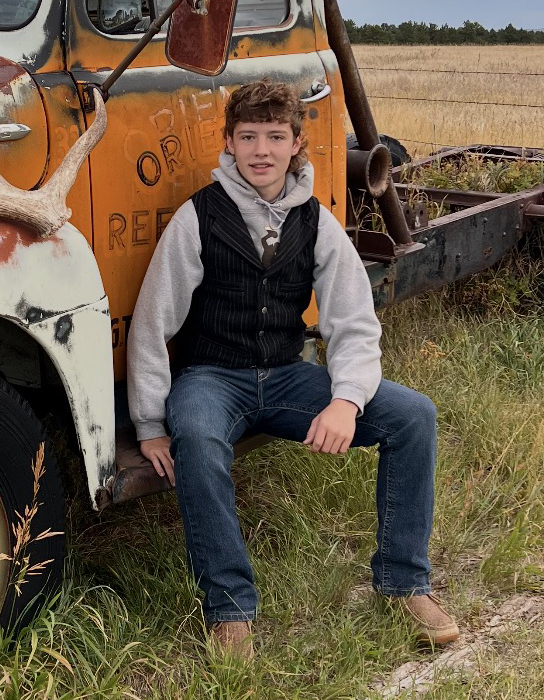
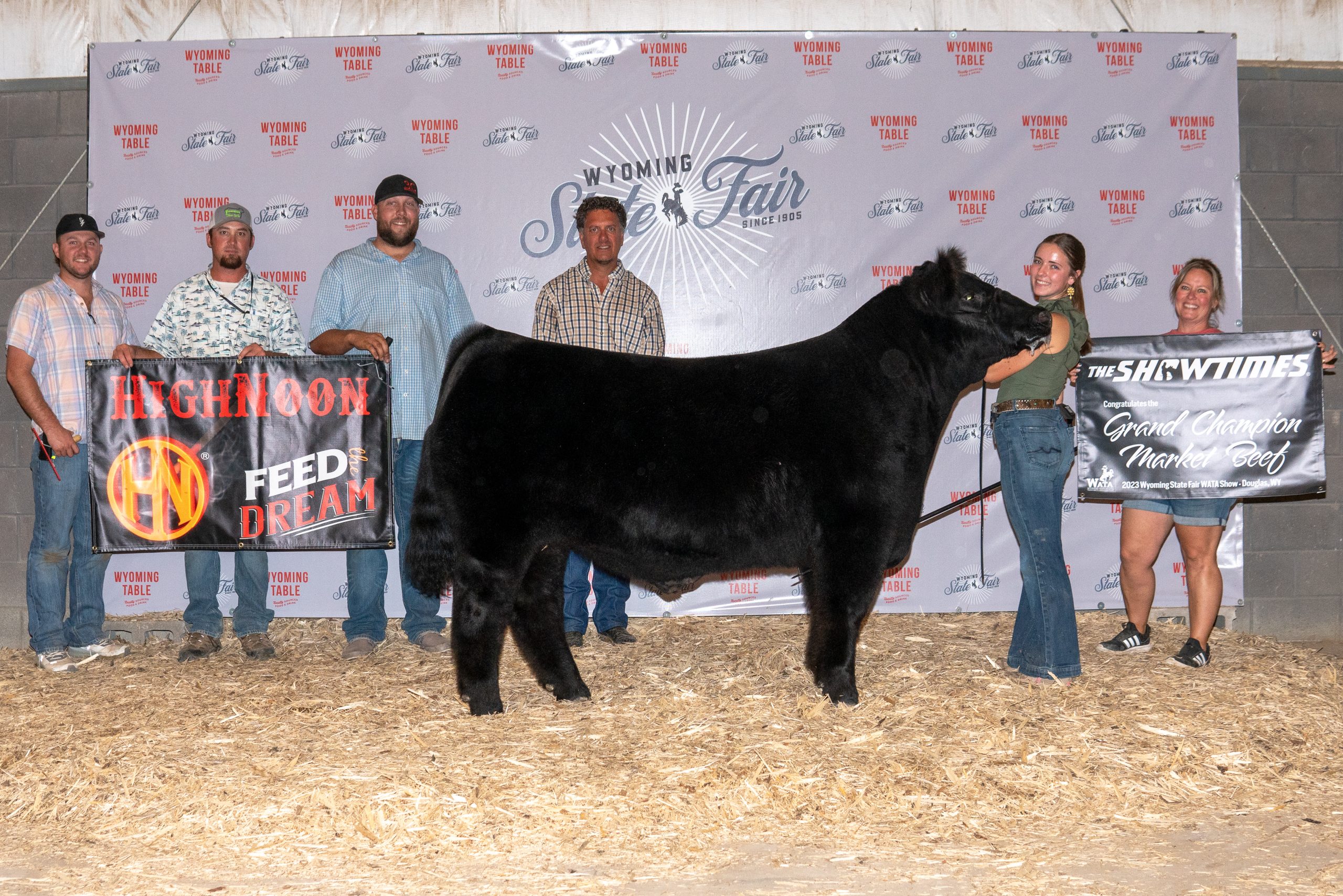
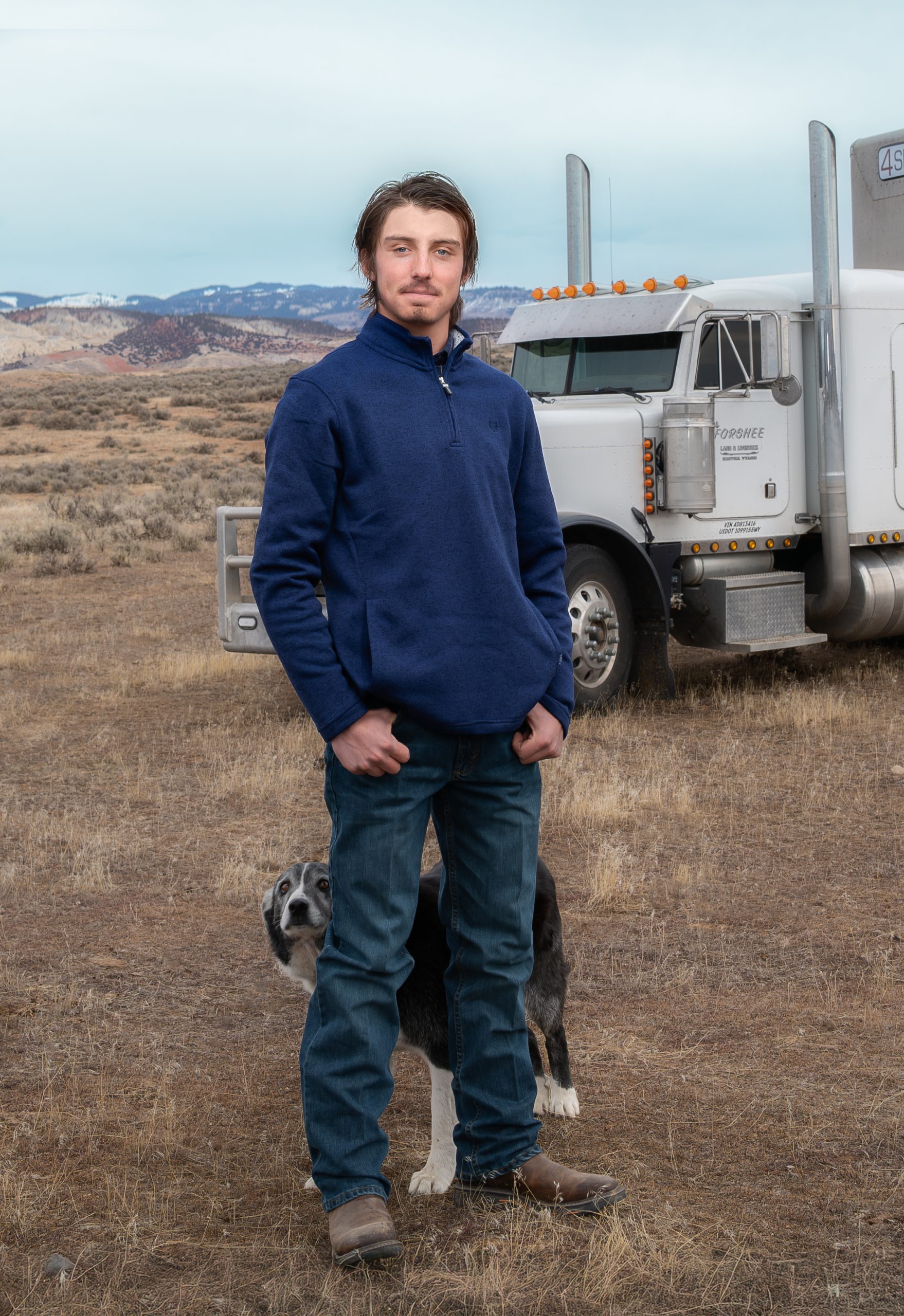
Region 2: Kruze Forshee, Ten Sleep FFA
Kruze Forshee of the Ten Sleep FFA chapter is more than just a ranch hand; he is the owner and operator of Bar D7 Cattle Company. Managing 30 cow-calf pairs across thousands of acres of deeded and leased land, Kruze has built an enterprise that demands both physical grit and technical precision. His project has grown from simple assistance to full-scale management, where he now coordinates cattle movements, manages irrigation for 700 acres of crops, and makes all final breeding and marketing decisions based on detailed performance data.
Kruze’s commitment to self-sufficiency is evident in his mechanical skills. He frequently restores used equipment, including fabricating a custom flatbed for his pickup to haul feed—a project that earned him Reserve Grand Champion honors at the Wyoming State Fair. Whether he is taking a shift for nighttime calving or sitting as a voting member of the South Side Cattlemen’s Association, Kruze balances tradition with modern business strategy. As he looks toward the future, he plans to continue strengthening the ranching way of life that has shaped his sense of purpose.
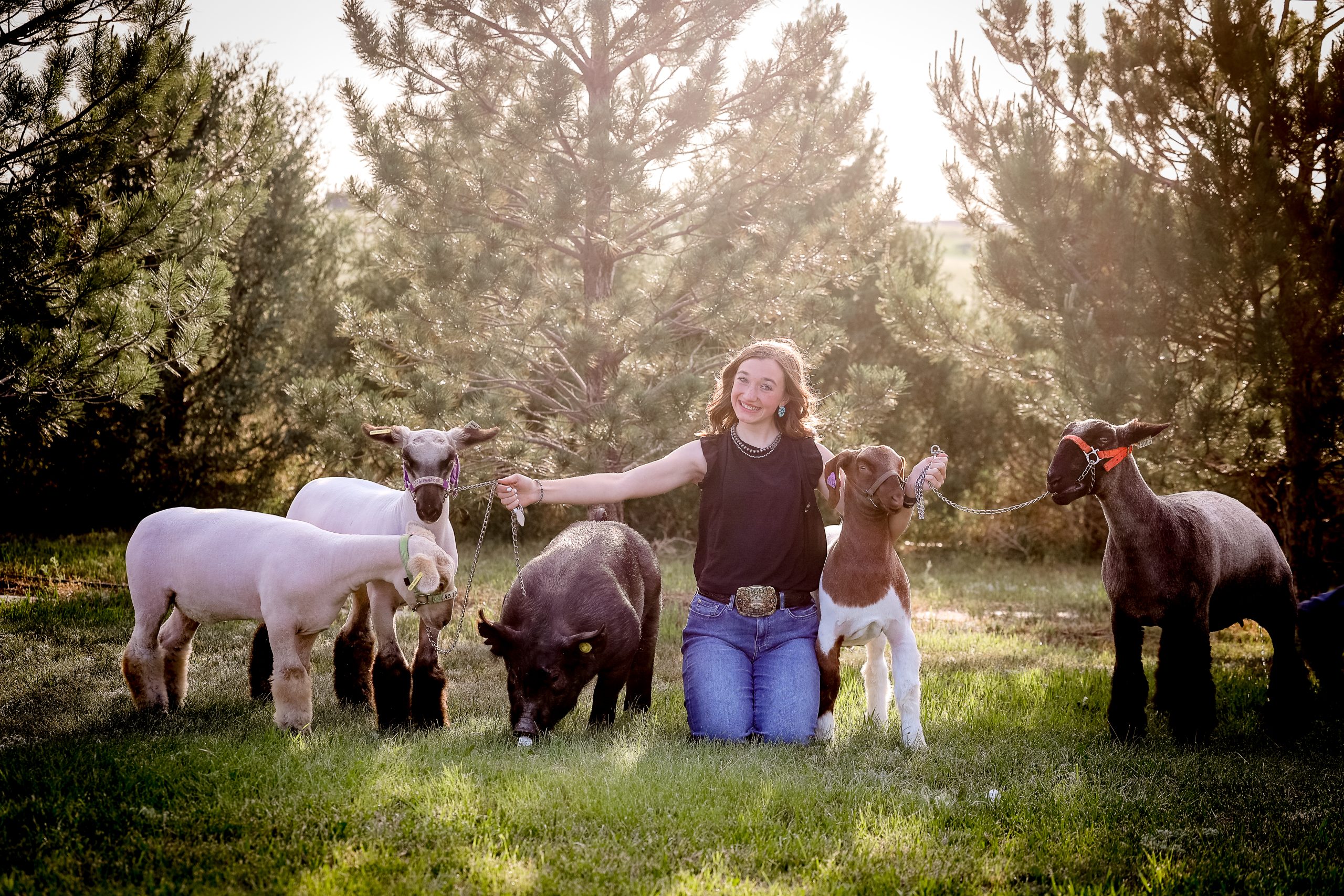
Region 3: Brylee Styvar, Gillette FFA
Brylee Styvar of the Gillette FFA chapter has turned her lifelong passion for livestock into a sophisticated production enterprise. Her Supervised Agricultural Experience (SAE) spans several species, featuring a commercial Angus cattle herd and a specialized club lamb breeding operation. What began as a five-cow herd has grown into a twelve-head operation through Brylee’s disciplined selection of replacement heifers and careful study of genetic data.
Her growth as a producer is defined by her hands-on approach to complex tasks, from managing artificial insemination cycles to researching cost-effective nutritional programs. A natural mentor, Brylee even brought her ewes into her school’s veterinary science class to teach her peers how to properly draw blood and administer shots. She is as skilled in the show ring as she is in the pasture, having earned 26 showmanship wins across local, state, and national levels. Whether she is calming a frightened ewe with a simple rag during a vet check or evaluating EPDs for her next calf crop, Brylee demonstrates the deep competence and responsibility required of a modern agriculturalist. She plans to carry these skills forward into a career as an agricultural educator or ruminant nutritionist.
Region 4: Regan Allen, Frontier FFA
Regan Allen of the Cheyenne Frontier FFA chapter has spent the last decade building a livestock operation rooted in quality and care. What began in 2016 with two gifted Boer does has matured into a comprehensive production project involving a breeding goat herd and market hog enterprise. Today, Regan manages the entire lifecycle of her animals, from making strategic breeding selections to implementing complex herd health protocols.
Her growth is defined by her move toward independence. No longer just an exhibitor, Regan has become a manager who handles high-pressure situations, such as assisting with difficult births to ensure the safety of her livestock. Beyond the technical skills of nutrition and vaccination schedules, Regan has mastered the financial side of agriculture, reinvesting her earnings into herd expansion and equipment. While she enjoys the busy energy of kidding season, she is most proud of the reputation she has built for producing high-quality animals for local 4-H and FFA members. These experiences are the foundation for her future goal of becoming an agricultural educator, where she hopes to share her passion and expertise with the next generation of Wyoming leaders.
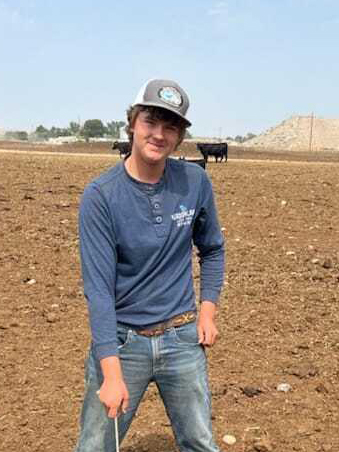
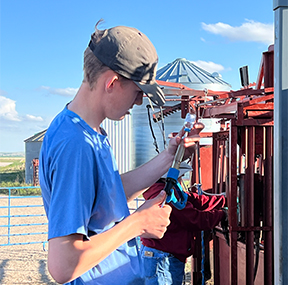
Region 5: Kaleb Booth, Torrington-Lingle FFA
Kaleb Booth of the Torrington-Lingle FFA chapter carries the weight of a century-old legacy on his shoulders. As the owner of KLB Angus, Kaleb manages 55 head of Registered Angus cattle within his family’s operation, which holds the distinction of being the oldest registered Angus herd in Wyoming. His journey has been one of increasing technical mastery; over four years of following his father’s work, he has mastered artificial insemination, now boasting a remarkable 98% success rate.
Kaleb’s expertise extends beyond the chute to the office, where he utilizes ration-balancing software and genetic EPD analysis to increase the market value of his bulls—which recently saw a sale average increase of over $4,000. Despite the high-tech tools, Kaleb remains grounded in the practical realities of ranching. He understands that the smallest details matter, such as the fact that keeping a newborn calf’s ears from freezing in the winter can make a $2,000 difference in its future sale price. With plans to pursue livestock judging in college, Kaleb is preparing to become the fifth generation to lead Booth Family Genetics into the future.